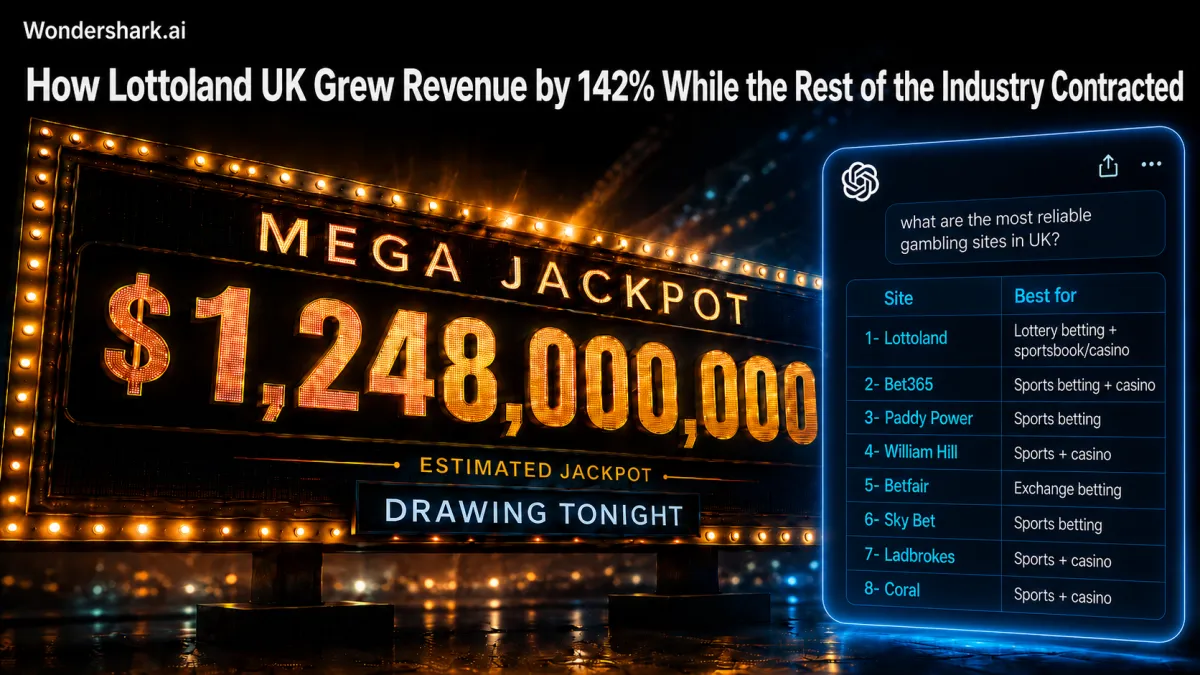
How Lottoland UK Grew Revenue by 142% While the Rest of the Industry Contracted
My name is Marc Duquette, CEO of Wondershark.ai. If you want to see where your brand actually stands in AI-generated answers today, I can show you. Schedule a call with me or get your free 2026 AI visibility report.
The UK gambling market has had a rough couple of years. Tighter regulations, a shrinking player base, rising advertising restrictions, and now a tax overhaul that is hitting online operators harder than anything seen in a generation. Most brands in the space are cutting budgets, reducing headcount, and hoping the storm passes.
Lottoland UK did the opposite. While the broader industry contracted, Lottoland grew its revenue by 142%. The difference wasn't luck. It was a deliberate investment in AI visibility at a time when almost no one else in the gaming sector was paying attention to it.
The Industry Is Shrinking and the Tax Hit Is Coming
Before getting into what Lottoland did, it's worth understanding the environment they were operating in. The UK gambling market is under real pressure from multiple directions at once, and that pressure is not going away.
According to the UK Gambling Commission, retail betting GGY dropped 3% year-on-year in the last quarter of 2024-25, with total bets and spins down 5% to 3.1 billion. New player account registrations across the online sector fell 4.1% to 34 million. The number of licensed gambling operators in Great Britain dropped 3.7% to 2,179. These are not small movements - they reflect a market that is genuinely losing momentum.
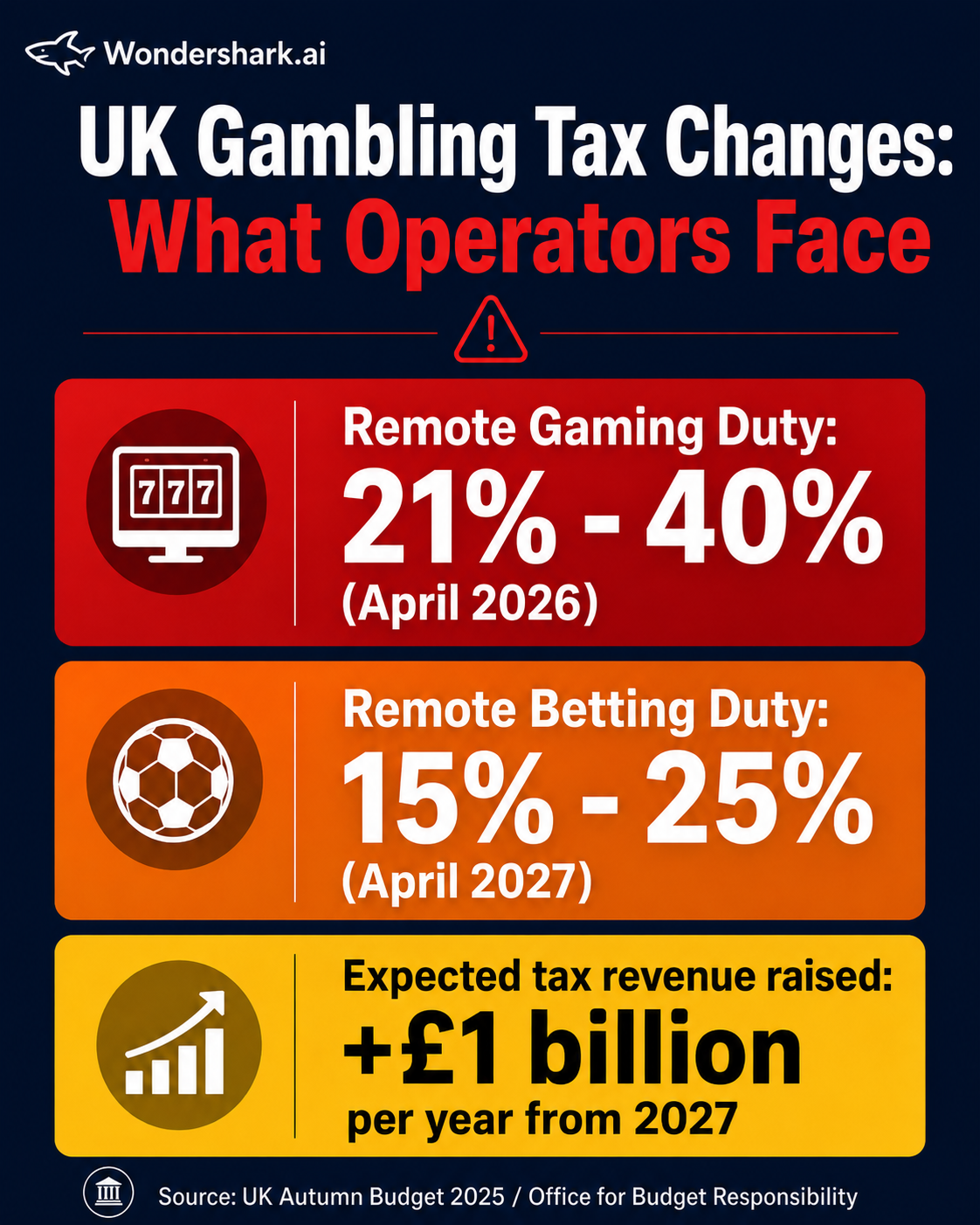
The bigger shock is what is coming on the tax side. In the Autumn 2025 Budget, the UK government announced the most significant overhaul of gambling taxation in decades. Remote Gaming Duty - the tax on online casino-style games - is rising from 21% to 40% from April 2026. Remote betting duty is moving from 15% to 25% from April 2027. The Office for Budget Responsibility projects this will raise an extra £1 billion annually from 2027 onwards.
To put that in plain terms: a move from 21% to 40% on remote gaming doesn't just reduce margins - it changes the entire commercial arithmetic of running an online casino product. As Altenar's analysis puts it, operators must now rethink how every product is built, priced, and promoted. The government has also stated it expects operators to pass on up to 90% of those duty increases to consumers - meaning higher prices and lower payouts for players, which will suppress demand further.
Mid-tier and challenger brands are the most exposed. Tier-1 groups with diversified international revenue can absorb some of the blow. Smaller operators with UK-focused books have very little room to manoeuvre. This is the environment Lottoland UK was competing in.
Google and Meta Won't Help You Either
A struggling market and a brutal tax hike would be difficult enough on their own. But UK gambling operators face a third problem that rarely gets talked about directly: the major digital advertising platforms are making it harder and harder to promote gambling products, and they're doing it fast.
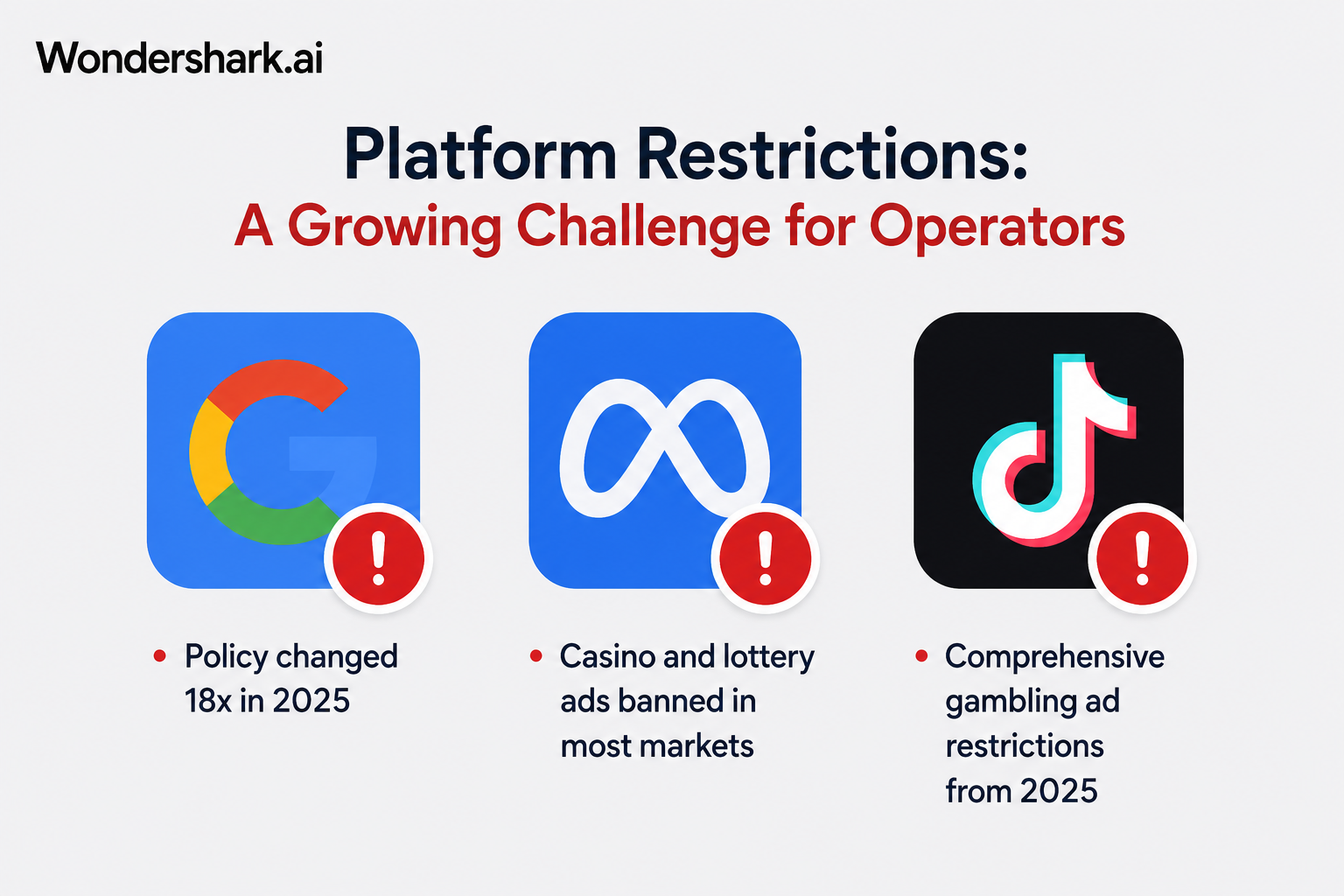
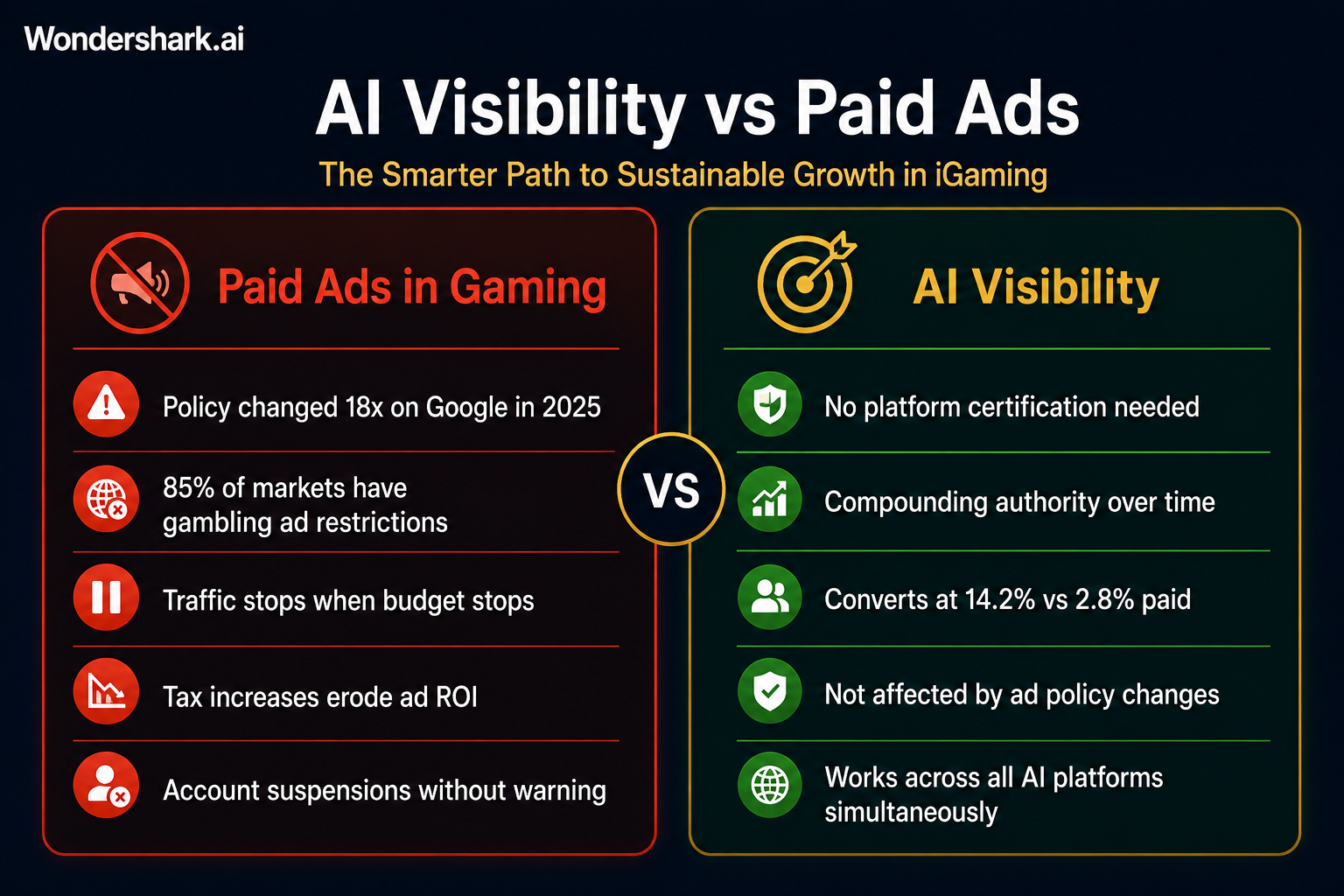
Google changed its gambling advertising policy 18 times in 2025 - more than any other year on record. It expanded offline gambling ad prohibitions from 21 to 35 countries, removed social casino games from eligible advertising products, and introduced per-market certification requirements that significantly extend campaign launch timeframes. Digital platforms now block gambling ads across 85% of global markets, with TikTok adding comprehensive restrictions throughout 2025.
Meta's situation is its own mess. The platform officially prohibits most forms of gambling promotion including online casinos, sports betting, and lottery services in most markets. Even where gambling ads are technically allowed, the approval process is restrictive, account suspensions happen without warning, and the rules change frequently enough that maintaining a compliant campaign is a full-time job in itself.
The result for gambling operators is a paid advertising environment that is simultaneously more expensive, more restricted, and less reliable than it was three years ago. Even operators with the budget to compete are finding that the platform restrictions limit what they can actually do. And with the new tax increases squeezing margins, spending more on paid ads that deliver less is not a strategy - it's a slow bleed.
This is exactly why AI visibility matters so much for gaming brands right now. It's a channel that doesn't require platform certification, doesn't get suspended without warning, and doesn't stop working the moment you stop paying.
What Lottoland Actually Is
For readers outside the gaming space: Lottoland is a Gibraltar-based online gaming brand founded in 2013 and licensed by the UK Gambling Commission. Daniel Hawkins, former Senior SEO Manager at Lottoland, was instrumental in driving the partnership with Wondershark.ai and overseeing the AI visibility strategy on Lottoland's side. They offer lottery betting across 28 major world lotteries - including Powerball, Mega Millions, EuroJackpot, and El Gordo - as well as sports betting across 34+ sports with over 20,000 pre-match and in-play events, and an online casino with more than 3,500 games including slots, live casino, bingo, and scratchcards. They won Operator of the Year at the EGR Europe Awards 2025.
In a market where many operators are pulling back, Lottoland came to Wondershark.ai with a clear brief: find a way to grow player acquisition and revenue that doesn't depend on paid platforms, doesn't stop working when regulations change, and builds long-term brand authority. AI visibility was the answer.
What Wondershark.ai Did
The strategy started with understanding exactly how players research and choose a gaming platform. Someone looking for the best odds on the next Powerball draw, or comparing lottery betting platforms, or asking which online casino has the best live dealer games - they're increasingly starting that search not on Google, but on ChatGPT, Perplexity, or Google AI Mode. If Lottoland wasn't appearing in those answers, they were invisible to a growing segment of ready-to-register players.
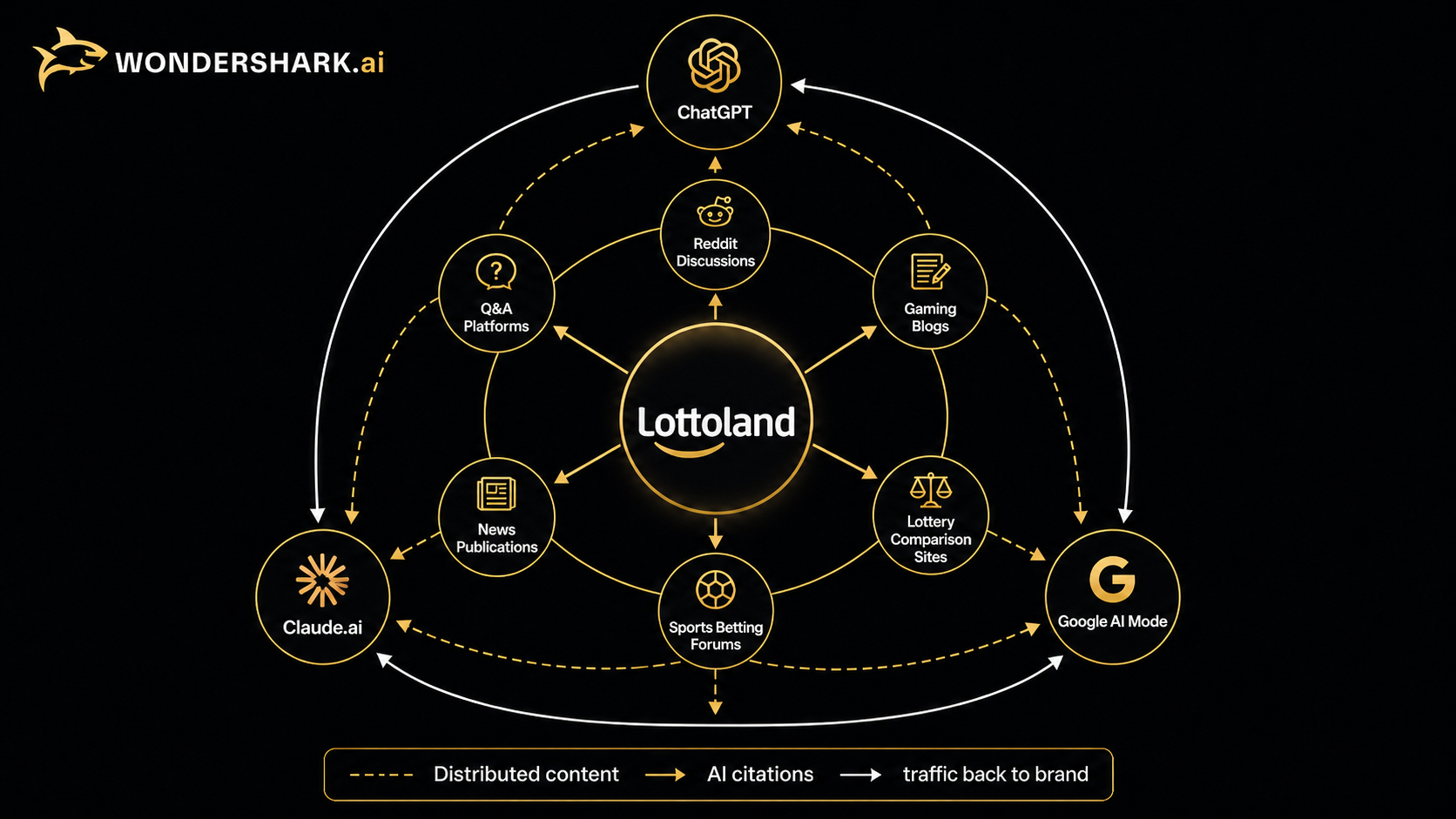
Wondershark.ai built and distributed expert content across more than 1,400 blogs, forums, and Reddit discussions - all written to answer the specific questions gaming audiences ask AI tools. Lottery comparison guides. Sports betting tips by sport. Casino game explainers. Jackpot tracking content. Responsible gambling resources that position Lottoland as a trustworthy, regulated operator. Every piece was structured for how AI models decide what to cite, not how Google used to rank pages.
The campaign ran on continuous multi-platform tracking across ChatGPT, Perplexity, Google AI Mode, and others. Research shows citation volumes for the same brand can vary by 615 times across different AI platforms, which means tracking one platform and ignoring the rest leaves most of the opportunity untouched. Wondershark.ai adjusted week by week based on what was actually generating citations and what wasn't.
The Results After 90 Days
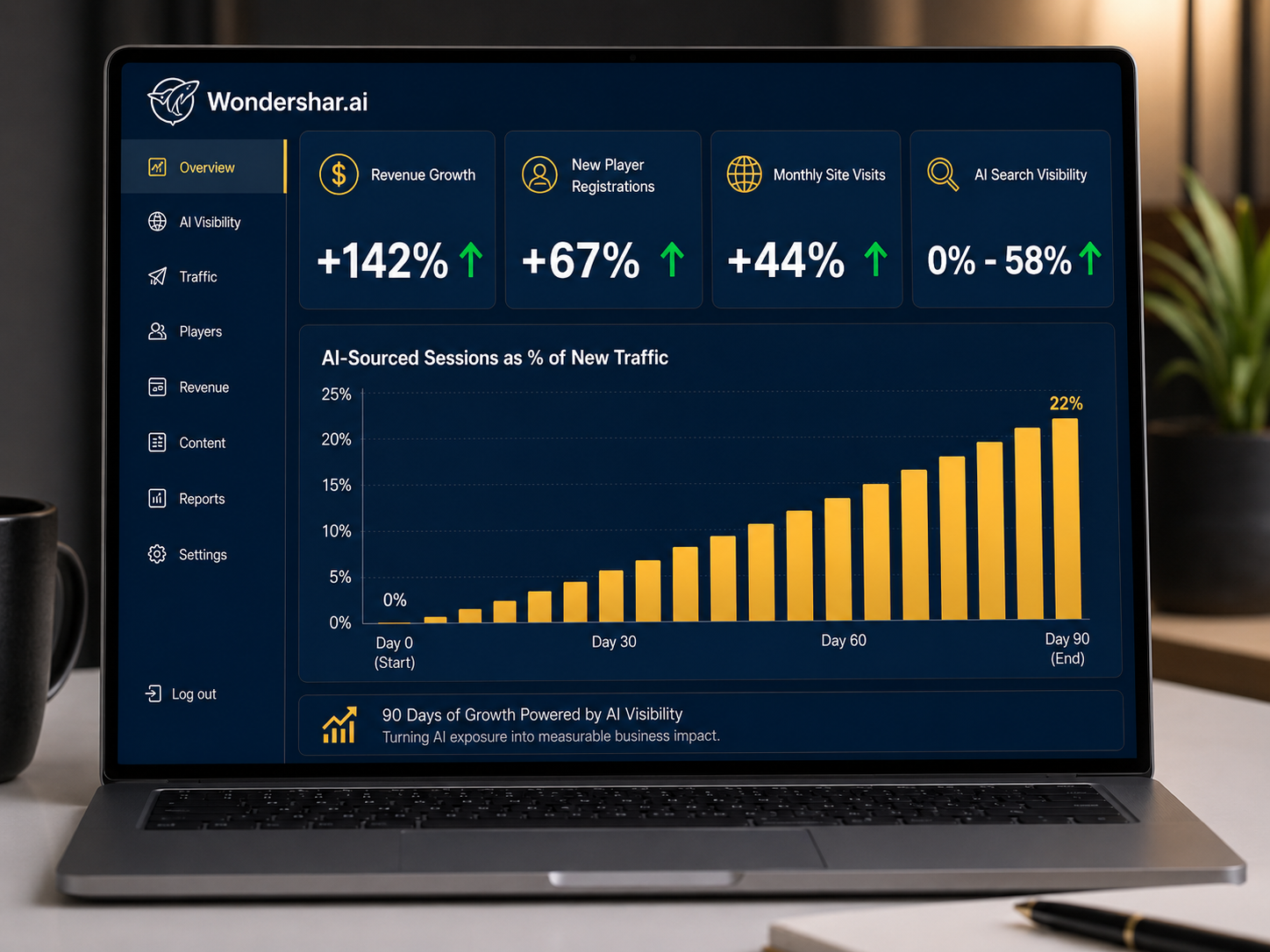
The top-line result is the one that tells the whole story: Lottoland UK grew revenue by 142% during the campaign period - in a market where the broader industry was contracting. That kind of growth in that kind of environment doesn't happen by accident.
On AI visibility specifically, Lottoland went from near-zero presence in AI-generated answers to appearing in 58% of relevant queries across the major platforms. That covers everything from "best lottery betting site UK" to "Lottoland vs National Lottery" to procedure-specific questions about jackpot payouts, betting rules, and platform comparisons.
New player registrations grew 67% over the 90-day period. Monthly site visits increased 44%, from approximately 380,000 to over 546,000. The quality of that traffic was markedly better than what paid channels had been delivering - visitors from AI sources spent significantly more time on site, browsed more product categories, and converted to registered accounts at a substantially higher rate. Adobe's research shows AI-referred visitors convert at 14.2% compared to 2.8% for Google organic search - and Lottoland's numbers reflected that gap clearly.
Twenty-two percent of all new player sessions now originate from AI platforms and UGC sources. Before the campaign, that number was effectively zero.
The business outcomes by product line:
Lottery betting registrations grew 54% year-over-year, driven heavily by AI-cited content around major jackpot draws including Powerball and EuroJackpot.
Sports betting active players increased 38%, with Bet Builder and Bet Mentor features generating strong citation volume in football and horse racing content.
Online casino monthly active players grew 29%, with slots and live casino content earning the highest number of AI citations in the gaming comparison category.
Why AI Visibility Hits Differently for Gaming Brands
The paid ads problem in gambling isn't going to get better. Google will keep tightening its certification requirements. Meta will keep restricting what can be promoted and where. The platforms are moving toward more restrictions, not fewer, and the UK tax increases mean operators have less margin to absorb rising cost-per-acquisition anyway.
AI visibility sidesteps all of that. There's no certification required to appear in a ChatGPT answer about the best lottery betting platforms. There's no account suspension for writing an expert comparison of live casino providers. The content that earns AI citations lives on blogs, forums, and community discussions - none of which are subject to the same platform restrictions that make paid advertising in gaming so difficult.
The compounding effect is also significant for a brand like Lottoland, which operates across multiple product categories. Each piece of content that earns a citation in one category - lottery, sports betting, casino - increases the brand's authority in adjacent categories. That's a fundamentally different model from paid ads, where each campaign is isolated and the moment you stop spending, you disappear.
Gartner projects traditional search engine volume will drop 25% by 2026 as AI answer engines absorb more queries. In a market where organic search has historically been a key acquisition channel for gaming brands, that shift makes AI visibility a direct replacement for something operators are already losing.
The Bottom Line
Lottoland UK was already a strong brand with a genuine product - 28 lotteries, 34 sports, 3,500+ casino games, and a reputation built over more than a decade. What they needed was a way to grow player acquisition that didn't depend on platforms that keep changing the rules, in a market that keeps getting taxed harder.
AI visibility gave them that. In 90 days, Wondershark.ai took Lottoland from essentially invisible in AI search to appearing in more than half of relevant answers - driving 67% more player registrations and 142% revenue growth while the rest of the industry was contracting.
If you're running a gaming brand and you're watching your paid ad costs climb while your tax bill is about to double, the answer isn't to spend more on the same channels. The answer is to build a presence in the channel your players are actually using now.
Wondershark.ai builds that visibility.
My name is Marc Duquette, CEO of Wondershark.ai. If you're a gaming operator watching your margins shrink and your advertising options narrow, I want to show you a better way. Schedule a call with me to see how an AI visibility campaign can put your brand in front of players who are already searching - before your competitors get there first.