How to Run a Practical AI Audit for a Medical Clinic Website
My name is Marc Duquette, CEO of Wondershark.ai, and if you want to see where your clinic shows up when patients ask ChatGPT, Gemini, Claude, or Perplexity for trusted medical practice recommendations, I can show you.
Patients are not only using Google anymore. They are asking ChatGPT, Perplexity, Gemini, Claude, and Google AI questions like "best clinic near me", "best doctor for gastric sleeve", "best clinic for a tummy tuck", or "what medical practice should I trust in Miami?"
That changes the job of a clinic website.
A website can look beautiful and still be almost invisible to AI tools. It can rank on Google and still fail to get cited when AI gives a patient a short list of recommended providers. For high-value medical practices, that is a serious missed opportunity.
A practical AI audit answers one simple question.
Can AI tools find, understand, trust, and cite this website?
The starting point is simple. Search Engine Journal's AI citation audit explains that websites need stronger schema, clearer content structure, and better internal linking if they want to be easier for AI systems to retrieve and cite. That is a strong base, but for medical clinics, the audit needs to go further.
A medical practice website also needs to audit:
Patient prompts
Provider credibility
Service pages
Local authority
Third-party mentions
Reviews and reputation
AI citations by platform
Competitor visibility
Consultation and revenue impact
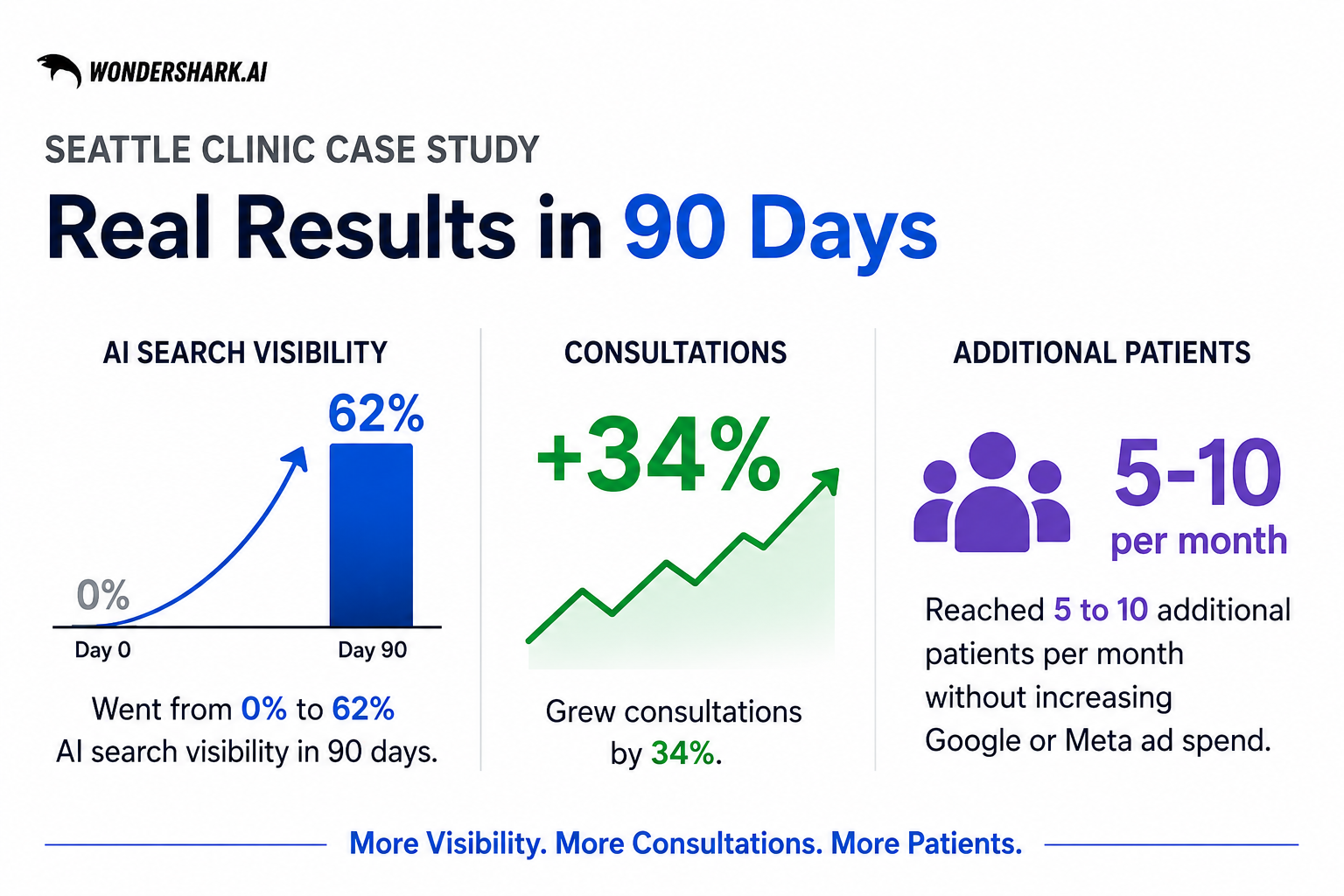
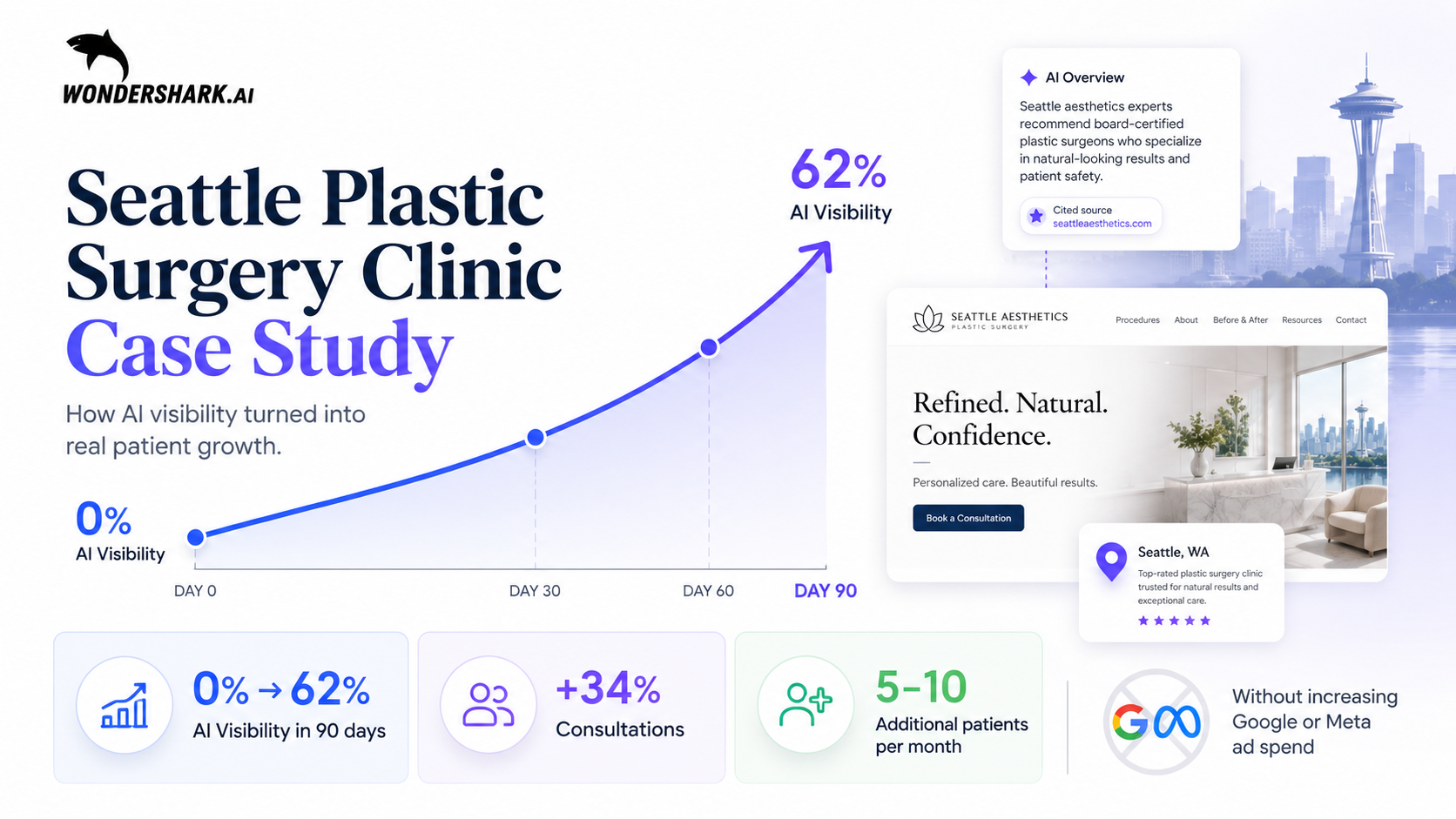
This matters because AI visibility is already tied to real patient growth. In one Wondershark.ai case study, a Seattle clinic went from 0% to 62% AI search visibility in 90 days and grew consultations by 34%. The clinic also reached 5 to 10 additional patients per month without increasing Google or Meta ad spend.
That is the real point of the audit. Not vanity metrics. More qualified consultations.
1. Start with the prompts patients actually ask
Do not start the audit inside the website. Start where the patient starts.
A patient looking for an aesthetic medical practice may ask AI:
"What is the best clinic in Beverly Hills for a facelift?"
"Who is the best clinic in Miami for a tummy tuck?"
"What should I look for before choosing a rhinoplasty provider?"
"Is liposuction or tummy tuck better after weight loss?"
"Best medical practice near me for natural-looking results"
A patient looking for a weight-loss surgery clinic may ask AI:
"Best medical clinic near me for gastric sleeve"
"Is gastric sleeve or gastric bypass better for long-term weight loss?"
"What questions should I ask before weight-loss surgery?"
"Best weight-loss surgery clinic in New York"
"Should I choose GLP-1 medication or surgery?"
These are not basic keywords. They are decision prompts. They show intent, fear, budget, trust, and readiness.
For the audit, build a prompt set of 25 to 50 questions. Split them by service, city, patient concern, and competitor comparison.
Then test those prompts across:
ChatGPT
Perplexity
Gemini
Google AI Overviews
Claude
For each prompt, track:
Is the clinic mentioned?
Is the clinic cited?
Is it in the top 3 recommendations?
Which competitors appear instead?
What source does the AI use to justify the answer?
Is the answer positive, neutral, or negative?
Does the AI mention the provider, the clinic, or only competitors?
This gives you the real baseline. A medical practice may have strong SEO traffic but still get zero AI citations. That is exactly what happened in the Seattle AI visibility case study before the campaign started.
The clinic had reviews, reputation, and real patients. The problem was not the clinic. The problem was that AI tools did not have enough trusted signals to cite it.
2. Check if AI crawlers can access the website
Once the prompt baseline is clear, check whether AI tools and search systems can reach the content.
This part is technical, but it is not complicated.
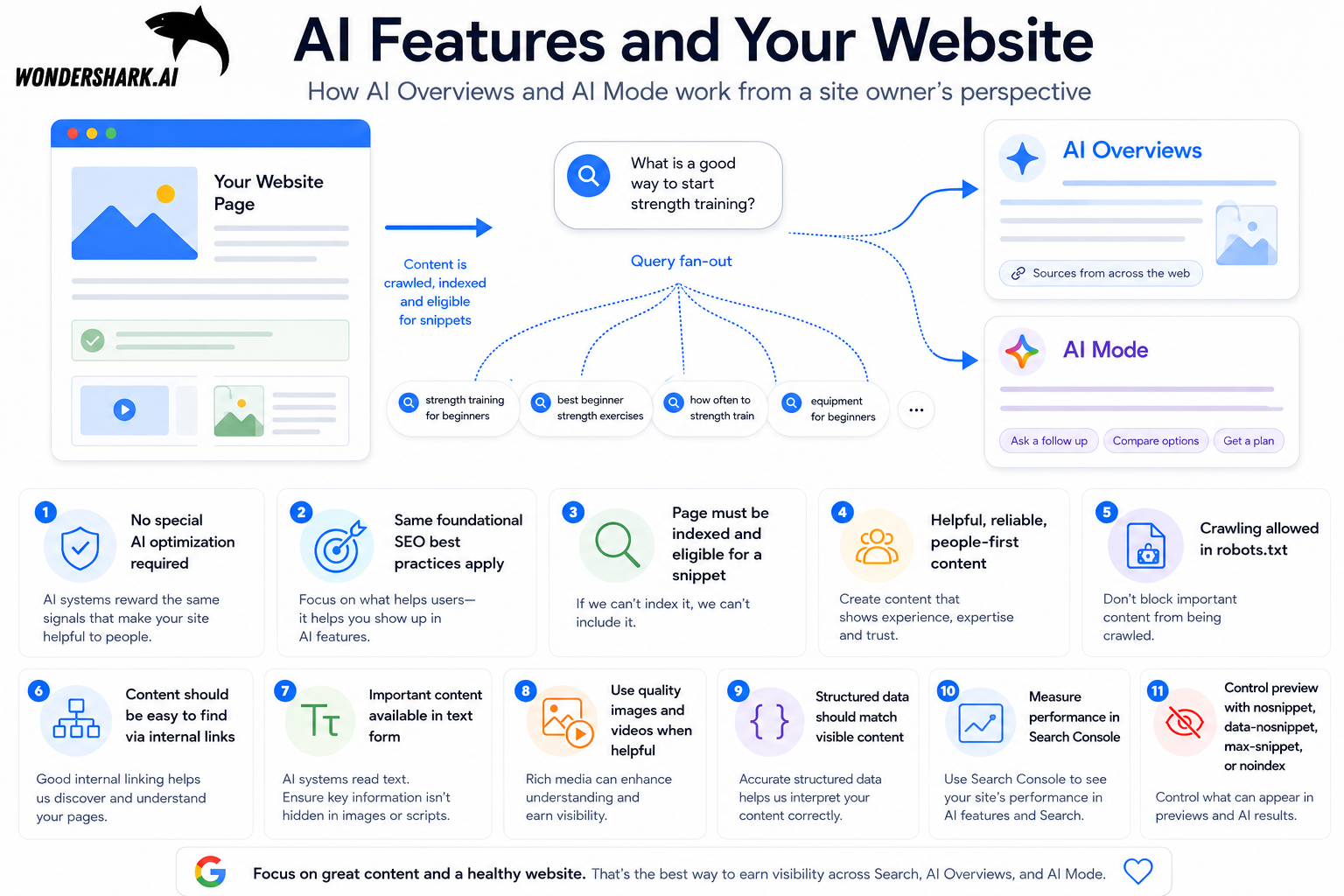
Google explains that AI features in Search use content from Google's search systems, and site owners should make sure their pages are crawlable, indexable, and eligible to appear in search features. OpenAI also publishes crawler documentation explaining how OpenAI bots like OAI-SearchBot access websites for search-related features.
For a medical clinic website, check:
Robots.txt
XML sitemap
Noindex tags
Canonical tags
Pages blocked by JavaScript
Slow page speed
Pages hidden behind forms
Thin location pages
Duplicate service pages
Galleries or media pages that AI cannot read
Provider bios with limited written content
Service content loaded only through scripts
This matters because Google's robots.txt documentation explains that robots.txt controls crawler access, but it should not be used as a way to hide pages from search results. If a clinic blocks important pages by mistake, AI systems have less to work with.
A good medical clinic website should make the important information easy to reach. The provider name, location, credentials, service focus, risks, recovery details, consultation process, and contact information should be visible in clean HTML.
3. Audit the schema markup
Schema is not magic, but it helps machines understand what is on the page.
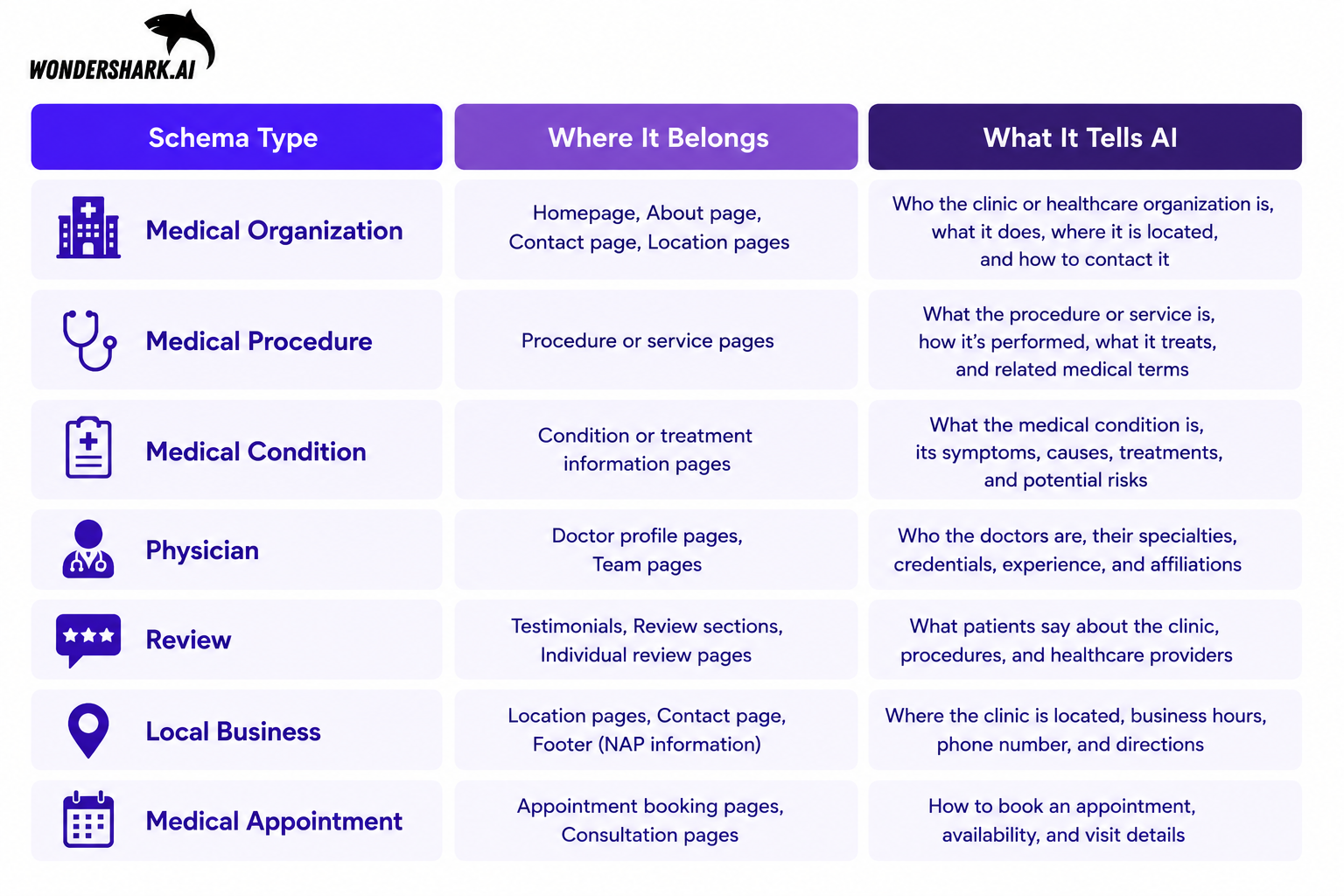
Google says structured data gives explicit clues about the meaning of a page. For medical websites, this matters because the page is not only trying to rank. It is trying to make the provider, clinic, service, location, and content easier to understand.
For medical clinics and medical practices, the most useful schema types often include:
MedicalOrganization
Physician
Person
Article
FAQPage
BreadcrumbList
VideoObject
ImageObject
LocalBusiness, when appropriate
Review markup, only when it follows Google guidelines
Schema.org has specific types for Physician and MedicalOrganization. These can help connect the provider to the clinic, location, and medical services.
The key is to mark up real visible content. Do not add fake reviews, fake ratings, hidden FAQs, or claims that are not shown on the page.
A strong medical practice schema setup should connect:
Provider name
Clinic name
Service focus
City and state
Provider credentials
Article authorship
FAQs
Related service pages
Video and image content
A medical clinic website should also connect:
Provider name
Clinic name
Main service pages
Insurance page
Patient education articles
Long-term follow-up information
Location page
Provider bio
Most clinics do not need exotic schema. They need clean, accurate, complete schema on the pages that drive revenue.
4. Fix pages that are too hard to understand
A lot of clinic websites have the same issue. The content is trapped inside one big page block. The hero section, intro, service explanation, risks, recovery, FAQ, provider bio, and call to action all blend together.
Humans can still read it. AI tools may struggle to extract clean facts from it.
A better service page has clear sections.
For a high-value medical service page, include:
Who the service is for
What it treats
How the consultation works
What the treatment or procedure involves
What recovery or follow-up looks like
Common risks
Expected outcomes
Why the provider is qualified
FAQs
A clear consultation CTA
For a weight-loss surgery page, include:
Who may qualify
How the procedure works
How it compares with other options
Possible benefits
Possible risks
Recovery timeline
Nutrition and follow-up
Insurance or financing details
Provider experience
FAQs
The goal is not to write robotic content. The goal is to answer real patient questions in a clear way.
Google's helpful content guidance says content should be useful, reliable, and created for people first. That applies even more in medical categories. A clinic should not publish 50 weak pages that all say the same thing. It should publish fewer, stronger pages that actually help patients make a safer decision.
This is also better sales copy. Patients can feel when a page is thin.
5. Build a clear entity map
AI tools do not only read pages one by one. They also build a sense of how things connect.
For a medical clinic website, the main entities are:
Provider
Clinic
Location
Services
Conditions or patient goals
Credentials
Reviews
Media mentions
Patient examples or outcomes
Patient education content
Third-party citations
A medical practice website should make it easy to understand that a specific provider offers a specific service at a specific clinic in a specific city, has specific credentials, writes about patient recovery or treatment planning, appears in trusted sources, and has related pages about connected services.
A medical clinic website should also make it easy to understand which conditions it treats, which services it offers, how patients are evaluated, what support is available, and how follow-up care works.
Internal links should make those connections obvious.
A weight-loss surgery page can link to:
Provider bio
Procedure comparison page
Insurance page
Recovery guide
Long-term nutrition guide
Consultation page
Obesity treatment overview
An aesthetic treatment page can link to:
Provider bio
Related treatment pages
Recovery guide
Results gallery
Patient safety page
Consultation page
This helps patients move through the site. It also helps AI systems understand the clinic as a real medical authority rather than a random set of service pages.
6. Audit the proof on the website
This is where many clinic websites are weak.
They say things like "world-class care", "natural results", or "personalized treatment", but they do not prove enough. AI tools need specific signals. Patients do too.
For a medical provider, the audit should check whether the website clearly shows:
Board certification or relevant credentials
Years of experience
Hospital affiliations, if relevant
Professional memberships
Service focus
Publications or media mentions
Real patient education
Clear results or outcome policies
Safety information
Review profile
Location details
Named provider authorship on articles
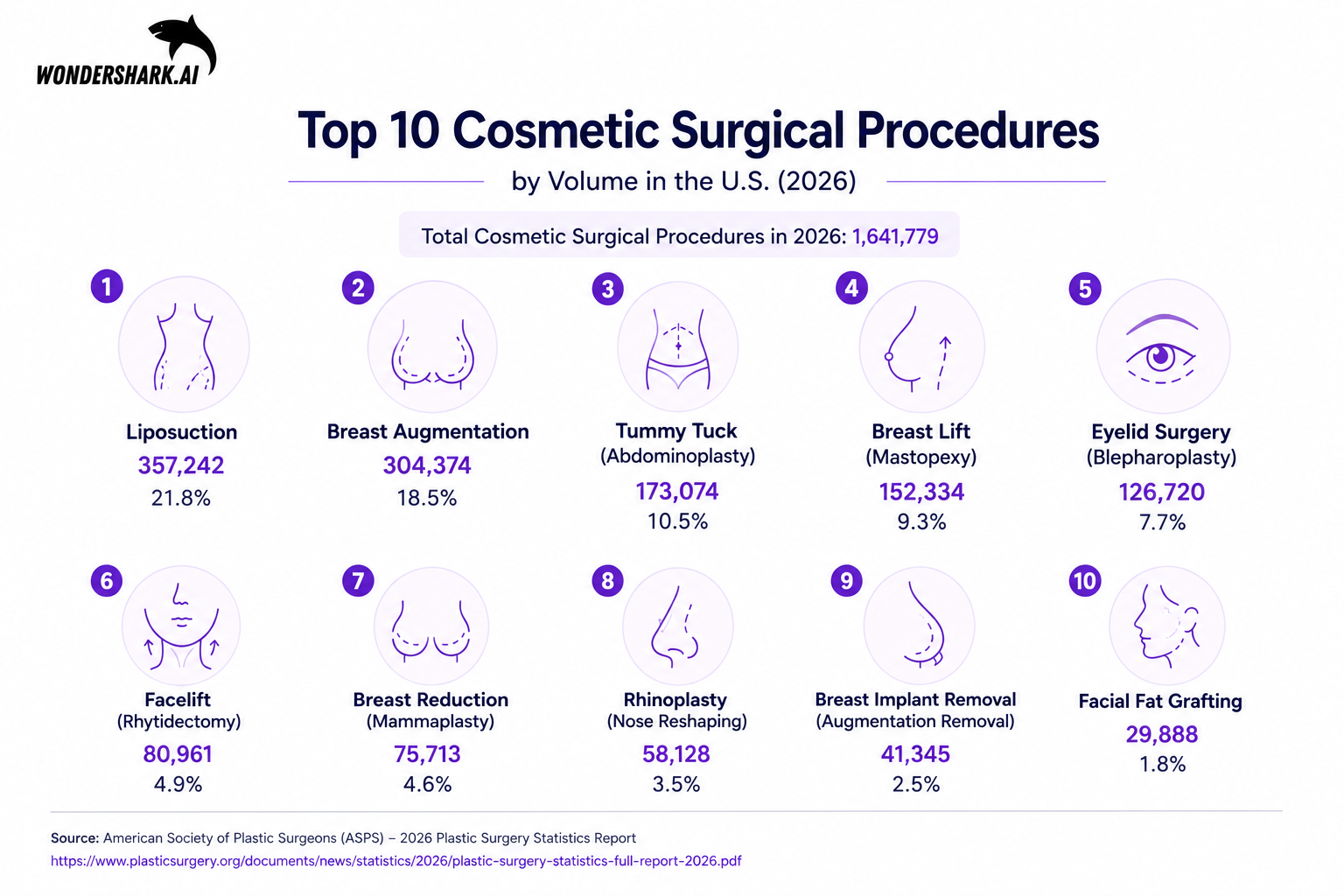
For high-value elective care, this is especially important because demand is high and competition is intense. The American Society of Plastic Surgeons reported that tummy tuck, liposuction, breast procedures, and other cosmetic surgeries remain major categories in its 2024 statistics report. That means patients have many options, and AI tools need reasons to choose one clinic over another.
For weight-loss surgery clinics, credibility is even more sensitive because the decision is tied to long-term health. ASMBS explains that bariatric procedures such as gastric sleeve and gastric bypass are designed to treat obesity and related diseases by changing how the stomach and digestive system work. A service page should explain eligibility, risks, follow-up care, nutrition support, and how the patient is evaluated.
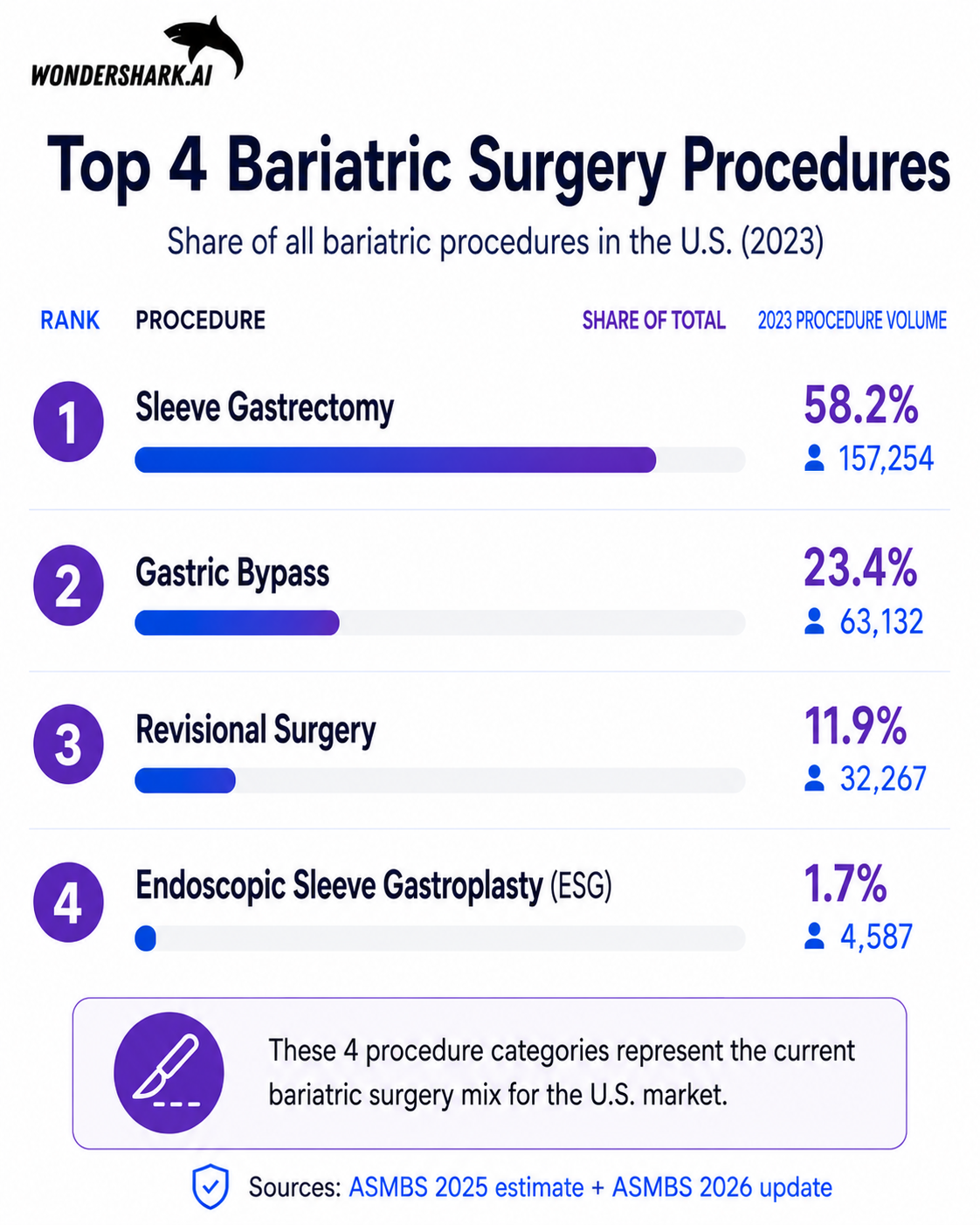
A strong medical service page should not only say the results are good. It should explain the provider's approach, who is a good candidate, what recovery or follow-up looks like, what the risks are, and how expectations are managed.
The best pages sound like a real expert answering real patient questions.
7. Compare the website against AI competitors
The audit should not only look at the clinic website. It should look at the websites AI already cites.
For each important prompt, list the top competitors that appear. Then inspect why they are being selected.
Ask these questions:
Do they have stronger service pages?
Do they have better provider bios?
Do they answer patient questions more clearly?
Do they have stronger local authority?
Do they have more third-party mentions?
Do they appear in list articles, interviews, directories, or medical publications?
Do they have better internal links?
Do they have clearer review signals?
Do they have stronger schema?
Do they have more helpful visuals or videos?
This is where the audit becomes useful. If a medical practice in Houston is missing from AI answers, but three competitors appear often, the question is not "how do we add more keywords?"
The better question is this.
What evidence does AI have about them that it does not have about us?
Sometimes the answer is content. Sometimes it is schema. Sometimes it is a weak internal link structure. Often, it is lack of trusted external citations.
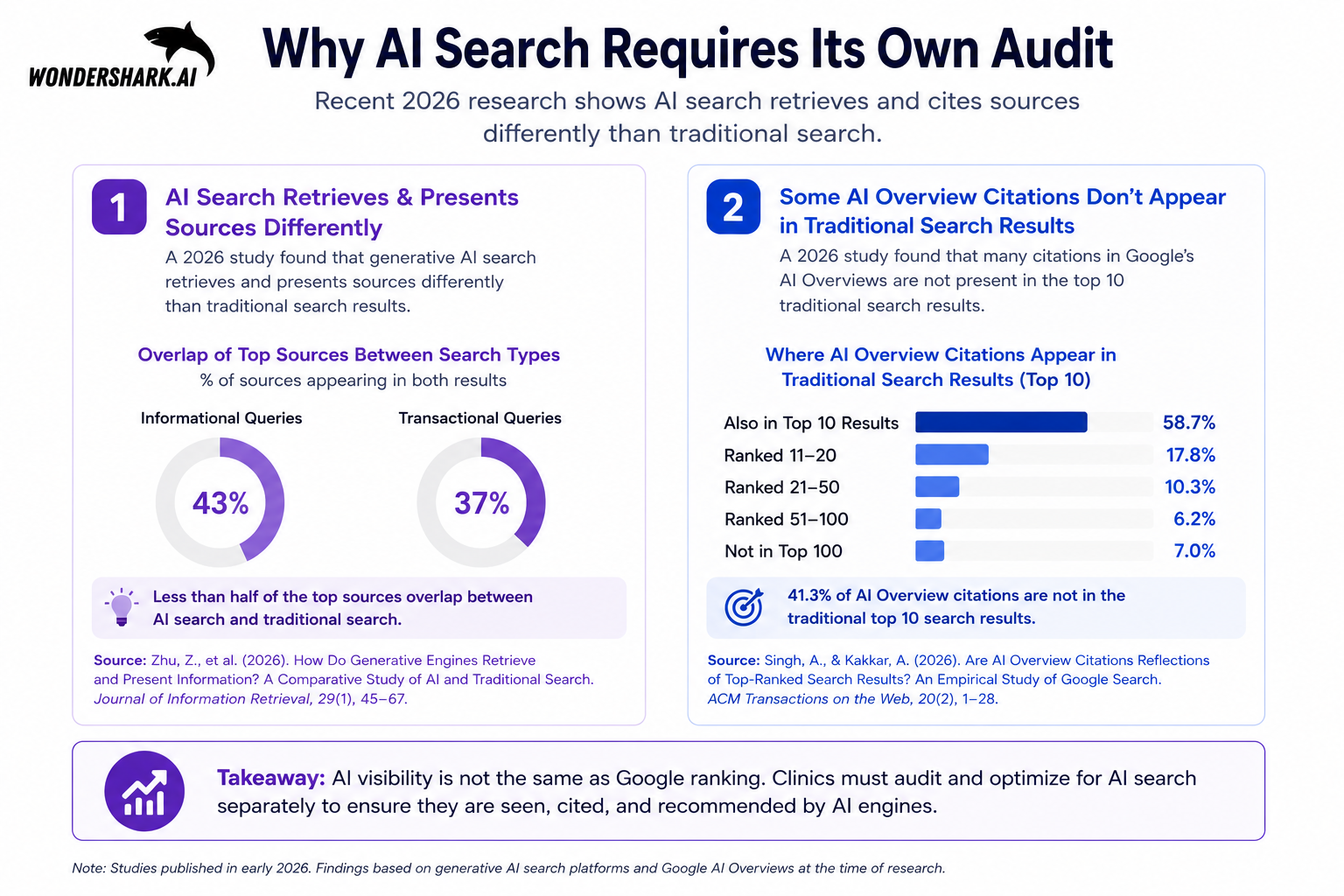
Recent research also supports the need to audit AI search separately from classic SEO. A 2026 study found that generative AI search can retrieve and present sources differently than traditional search results. Another 2026 study found that some AI Overview citations do not appear in the normal first-page search results. That means a clinic cannot assume that Google ranking alone equals AI visibility.
8. Audit third-party authority
A clinic website alone is usually not enough. AI tools often cite third-party sources because they look more neutral.
For medical practices, third-party authority can include:
Medical directories
Hospital profiles
Professional association pages
Local media
Podcast interviews
Patient education websites
Treatment guides
Reputable blogs
Expert commentary
Review platforms
Niche healthcare publications
This is why AI visibility can become profitable. In the Seattle case study, the clinic went from 3 LLM-cited discussions to 158 and reached 62% AI search visibility in 90 days.
That matters because AI answers often pull from the broader web, not only from the clinic domain.
For a medical practice, the audit should identify where the clinic is missing from trusted conversations about:
Core treatments or procedures
Related conditions
Patient safety
Recovery or aftercare
Cost and financing
Candidacy
Treatment comparisons
Local recommendations
Patient outcomes
Provider expertise
For a weight-loss surgery clinic, the audit should identify gaps around:
Gastric sleeve
Gastric bypass
Revisional surgery
Obesity treatment
GLP-1 comparisons
Insurance questions
Long-term weight loss
Diabetes and metabolic disease
Nutrition after surgery
Long-term follow-up care
9. Review images and videos
Text matters, but visuals matter too.
Google's AI features guidance says high-quality images and videos can create more opportunities for traffic and visibility from Search. For medical clinic websites, visuals also help patients trust the clinic faster.
The audit should check whether images and videos have:
Descriptive file names
Useful alt text
Clear captions
Provider context
Service context
Page-level relevance
Crawlable placement
Proper compression
Consent where needed
No misleading results presentation
For medical practices, images should support the exact service page they belong to. For weight-loss surgery clinics, visuals can explain the patient journey, procedure options, recovery timeline, and long-term support.
Do not upload random stock photos and expect them to help. Original visuals, expert videos, and clear diagrams are stronger.
10. Check if the website matches how patients make decisions
AI visibility is not only about being found. The clinic also needs to be the kind of answer AI feels safe recommending.
That means the website needs to match how patients choose a provider.
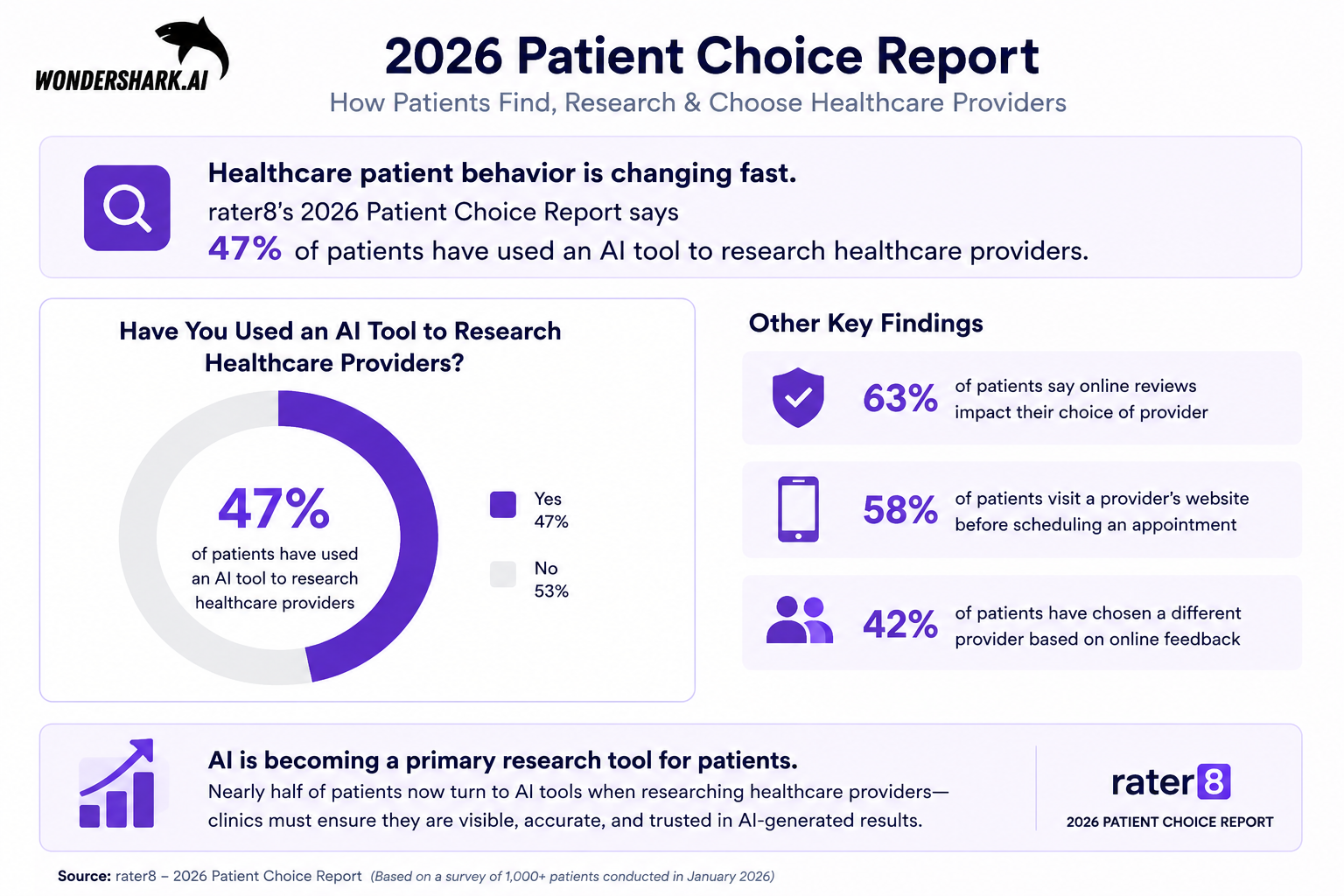
Healthcare patient behavior is changing fast. rater8's 2026 Patient Choice Report says 47% of patients have used an AI tool to research healthcare providers. That is a major signal for clinics. Patients are using AI before they call, before they fill a form, and before they compare medical practices.
A patient wants to know:
Is this clinic safe?
Does this provider do my treatment often?
Are the results or outcomes realistic?
What is recovery or follow-up really like?
What are the risks?
What will the consultation include?
Why should I trust this clinic over another one?
A weight-loss surgery patient wants to know:
Am I a candidate?
Which procedure is right for me?
What happens after surgery?
Will insurance cover it?
What support will I get long term?
How does surgery compare with medication?
What are the health risks and benefits?
If the website does not answer these questions clearly, AI tools will find another source that does.
11. Build the 30-day action plan
A good audit should end with priorities. Not a 60-page report nobody uses.
For the first 30 days, focus on the pages that can affect revenue fastest.
Start with:
Homepage
Top service pages
Provider bio
Main location page
Consultation page
Reviews or testimonials page
FAQ page
Results or media gallery
Blog articles that already get traffic
Pages that AI competitors are beating you on
The first 30 days should focus on fixes like:
Remove crawl blocks
Clean up noindex issues
Submit or update the sitemap
Add schema to core pages
Rewrite weak service sections
Add provider authorship
Add internal links
Improve FAQs
Add missing proof points
Track AI prompts monthly
For an aesthetic medical clinic, the first service pages might be facelift, rhinoplasty, tummy tuck, liposuction, and breast augmentation.
For a weight-loss surgery clinic, the first pages might be gastric sleeve, gastric bypass, revisional surgery, insurance, and obesity treatment.
This is not about doing everything at once. It is about fixing the pages AI tools are most likely to evaluate when patients ask high-intent questions.
12. Build the 90-day action plan
The next 90 days should focus on authority and coverage.
This is where you expand beyond the basic site fixes.
Build stronger:
Service guides
Provider-authored articles
Comparison pages
FAQs based on real patient questions
Local pages
Video content
Results or case context
Third-party citations
Media mentions
Review and reputation signals
For aesthetic medical practices, useful content might include:
"How to choose a clinic for a facelift"
"Tummy tuck vs liposuction"
"What rhinoplasty recovery really looks like"
"Questions to ask before breast augmentation"
"How to compare clinics safely"
For weight-loss surgery clinics, useful content might include:
"Gastric sleeve vs gastric bypass"
"Surgery vs GLP-1 medications"
"What to ask before weight-loss surgery"
"How insurance works for weight-loss surgery"
"What long-term support looks like after surgery"
This content should not sound like filler. It should sound like a real provider answering real patient questions.
That is also where the business value appears. In the Seattle example, AI visibility growth was tied to more consultations, more traffic, and revenue growth. The same logic can apply to high-value medical clinics because one new patient can represent a high-value case and a long patient relationship.
13. Measure what matters
AI visibility should be measured like a patient acquisition channel.
Do not stop at rankings. Track whether the clinic is being cited, how often it appears, where it appears, and whether that visibility turns into inquiries.
Core AI visibility metrics:
AI visibility score
Citation count
Top 3 recommendation share
Average position when mentioned
Sentiment of the AI answer
Competitor share of voice
Prompt coverage by service
AI referral traffic
Consultation requests from AI-influenced sources
Revenue from AI-influenced patients
The Seattle case study is useful because it connects visibility to business outcomes. The clinic did not only improve citations. It grew traffic, generated 5 to 10 additional patients per month, and increased revenue by 14%.
That is the standard. If AI visibility does not help bring in qualified patients, the strategy needs to be adjusted.
14. Use this simple audit checklist
Here is the practical version.
Build 25 to 50 real patient prompts.
Test the clinic across ChatGPT, Perplexity, Gemini, Google AI, and Claude.
Record citations, competitors, rankings, and sentiment.
Check crawlability, indexation, robots.txt, and OpenAI crawler access.
Audit schema on the homepage, provider bio, location pages, service pages, FAQs, and articles.
Rewrite weak pages so they answer real patient questions clearly.
Map the main entities: provider, clinic, location, services, credentials, proof, and education.
Improve internal links between those entities.
Audit third-party sources and competitor citations.
Add expert content, original visuals, and stronger proof.
Track AI visibility monthly.
Tie the results to consultations and revenue.
Final take
A good AI audit is not a technical cleanup exercise. It is a revenue audit.
For medical clinics and medical practices, AI tools are becoming part of the patient decision process. Patients are using them to compare providers, understand treatments, check risks, and decide who feels credible enough to contact.
The clinics that win will not always be the ones with the prettiest websites. They will be the ones AI systems can understand, trust, and cite.
That means clear pages. Strong provider proof. Smart schema. Better internal links. Real third-party authority. Useful answers to real patient questions. Monthly tracking across the AI platforms patients actually use.
In high-value medical categories, one additional patient can often justify the work. Five to ten additional patients per month can change the growth curve of the entire practice.
That is why an AI audit should not sit in a marketing folder. It should become part of how the clinic grows.